CreativityasaDriverofEconomicVitality
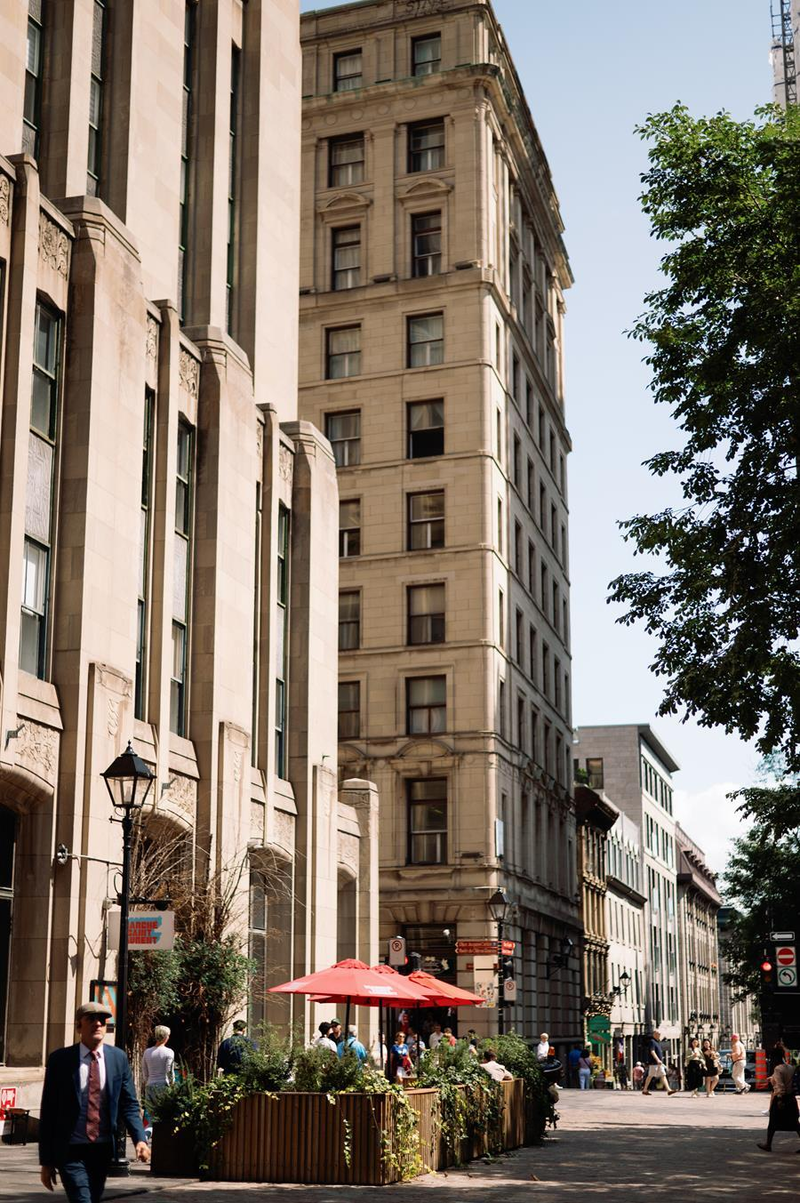
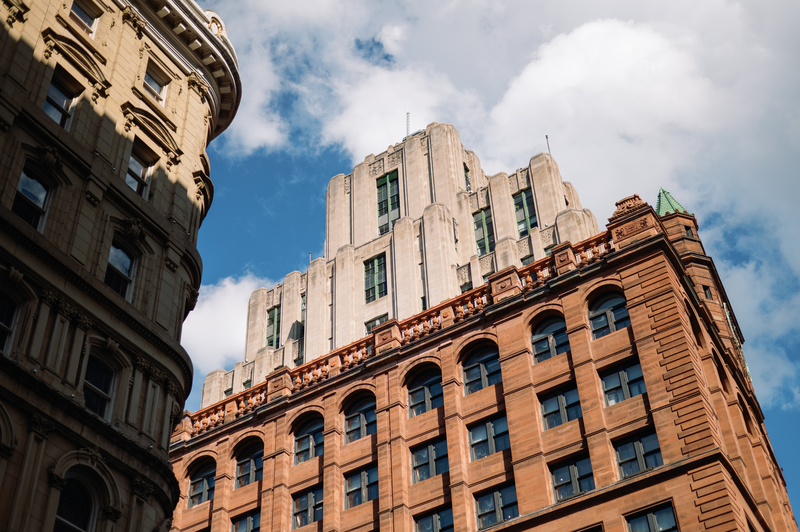
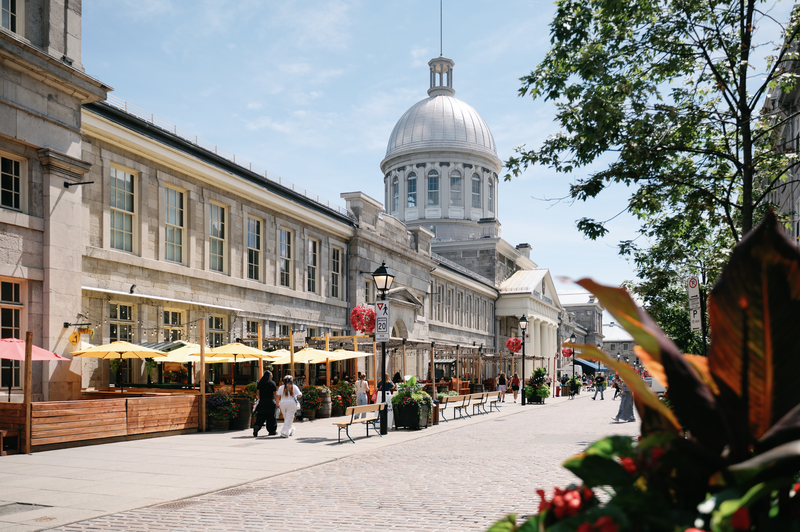
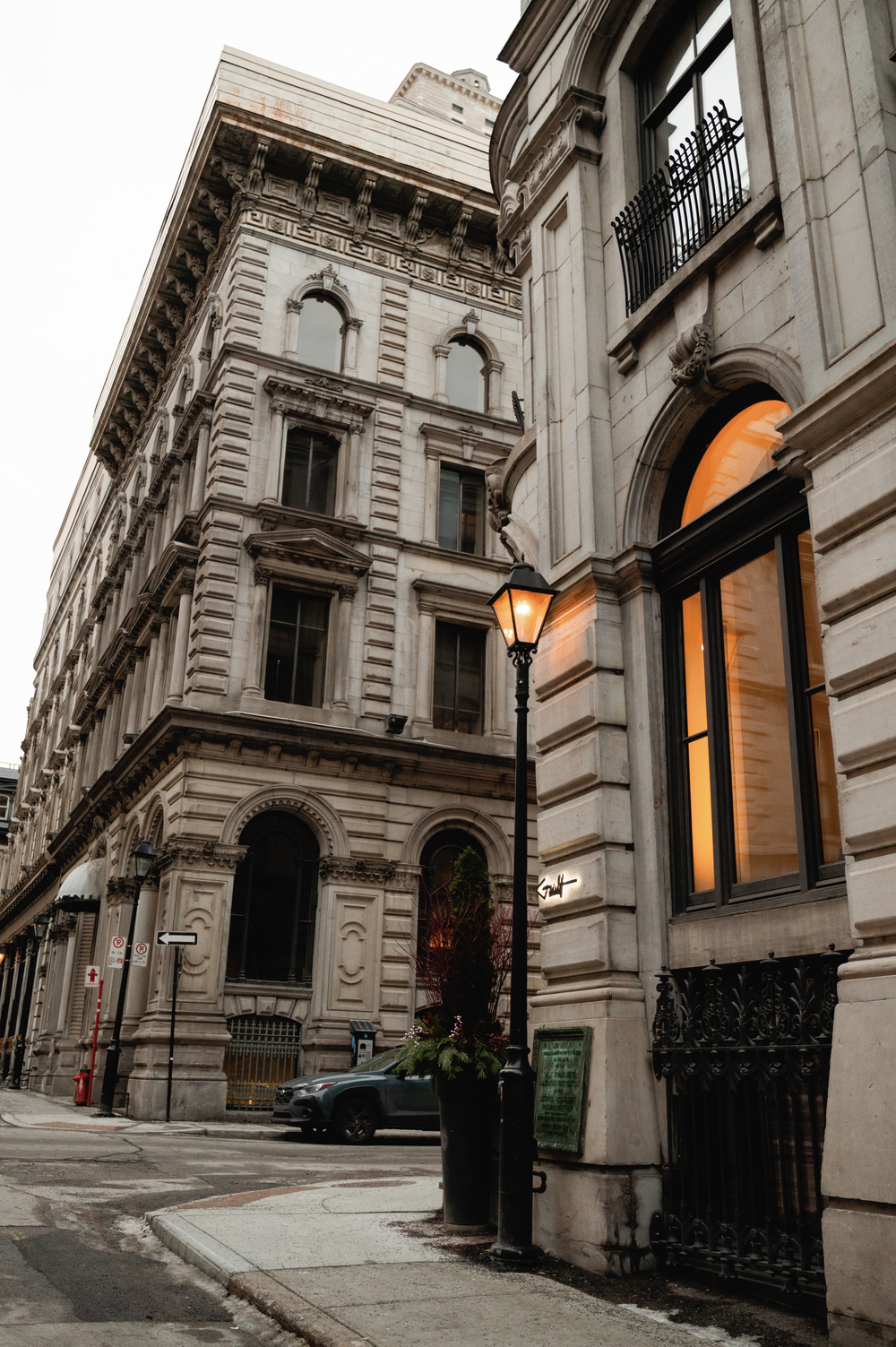
The appeal of a major city no longer rests solely on its real estate or tourism; it is now rooted in creative industries, experiential culture and a region’s ability to shine on the international stage. From east to west, Old Montreal offers a compelling demonstration of this, as the historic district continues to embrace its contemporary transformation with undeniable success.
From local production to global impact
In a context where innovation is becoming a critical competitive factor, particularly in the defence sector, the Government of Canada recently announced support for Quebec industry, targeting SMEs with high technological potential. Two Old Montreal companies, Simulations CM Labs and SimActive, are among the beneficiaries of this initiative. Specializing in virtual training simulators and advanced mapping software respectively, they will be receiving contributions of $3 million and $200,000. Such support serves to accelerate the development and export of their technologies, while confirming Old Montreal’s position as a hub of expertise, research and innovation with international reach.
This dynamic of technological export and innovation extends to the arts and culture sphere as well, where digital creation is a major economic driver. A prime example is Studio Rodeo FX, located on Prince Street, which participates in productions of international scope, including the hit series Stranger Things. In an economy where content is a strategic growth sector, the presence of such a player confirms that Old Montreal is not merely a centre for cultural dissemination, but one of creative expertise recognized on a global scale.
This international presence is also reflected through large-scale projects developed abroad. The Cirque Éloize, based in Old Montréal, is behind a new creation presented in South Korea at Everland theme park, a collaboration that highlights the ability of the district’s cultural organizations to operate in international markets while exporting their distinctive creative signature. Presented starting April 1, this immersive experience, designed specifically for the site’s theatre, draws on the expertise of numerous Quebec-based creators.
PHI Contemporain: art leader and engine of growth
With PHI Contemporain, the historic district is asserting itself as a laboratory for high value-added artistic experiences. Under the stewardship of Phoebe Greenberg, founder and Chief Creative Officer, this artistic hub will expand further east within Old Montreal through an ambitious project bringing together architectural luminaries Pelletier de Fontenay, Kuehn Malvezzi and Jodoin Lamarre Pratte.
Beyond its programming, PHI embodies a transformative economic model: increased foot traffic, extended stays, and enhanced synergies with neighbouring hotels, restaurants and specialty retailers. By 2029, this project will act as a catalyst for an ecosystem where culture and economic development advance hand in hand.
Design and visual arts: international showcases
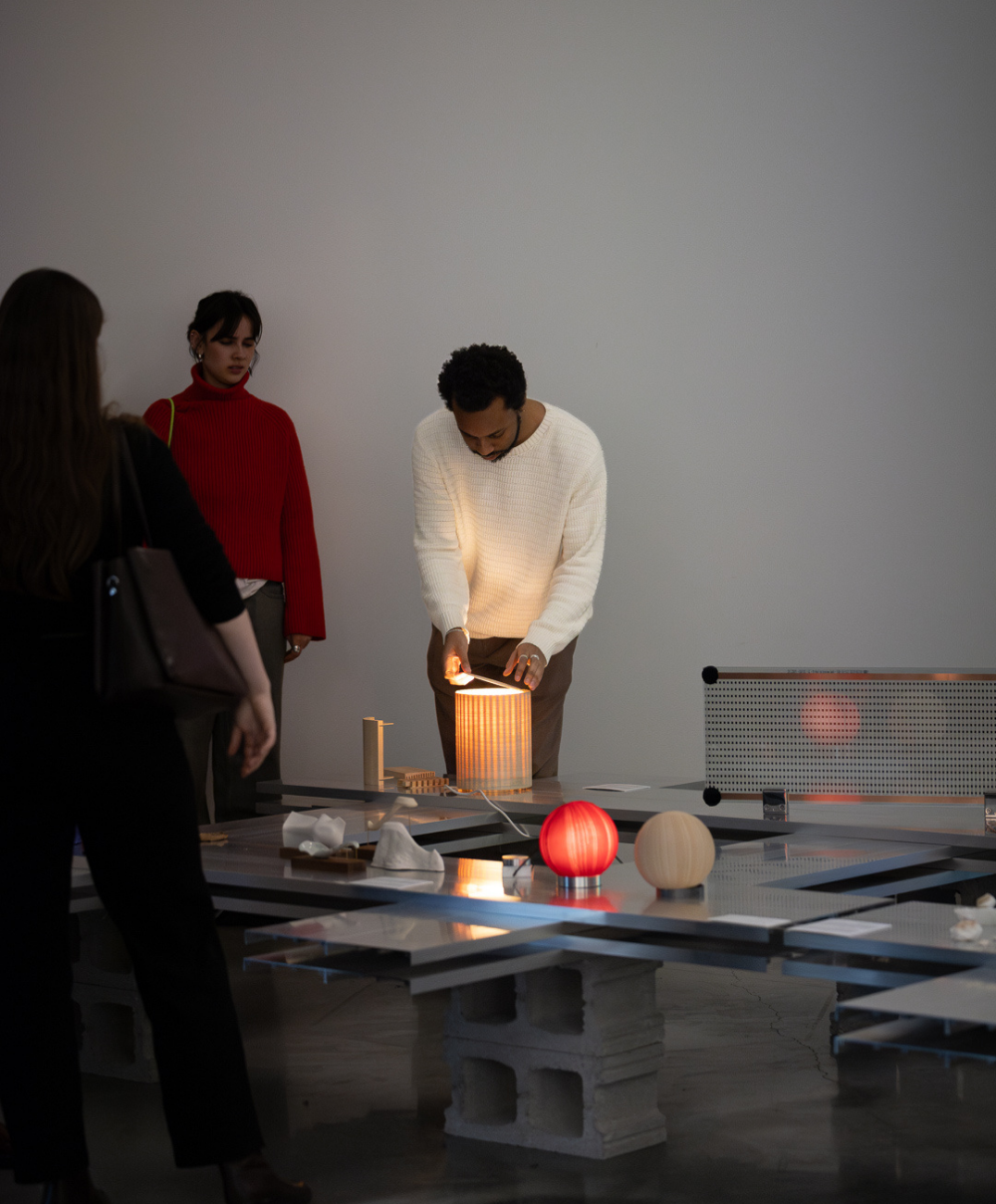
The annual calendar strongly reinforces this strategic positioning. Montreal Design Week (April 28 - May 7, 2026) affirms Old Montreal as a true crossroads of innovation, dialogue and influence for industry professionals, drawing architects, designers, investors and brands from near and far. Also in April, the highly anticipated Plural art fair (April 10-12, 2026) will offer a premier showcase for Canadian artists and galleries, while stimulating international exchange.
Along with their cultural impact, these events foster tangible economic development: greater visibility, higher visitor numbers, longer stays, an increase in collaborations, and direct benefits for restaurants, hotels and local retailers. They help position Old Montreal not only as a world-class exhibition venue, but as a business platform where creativity and economic performance move forward in concert.
Hospitality as a cultural extension
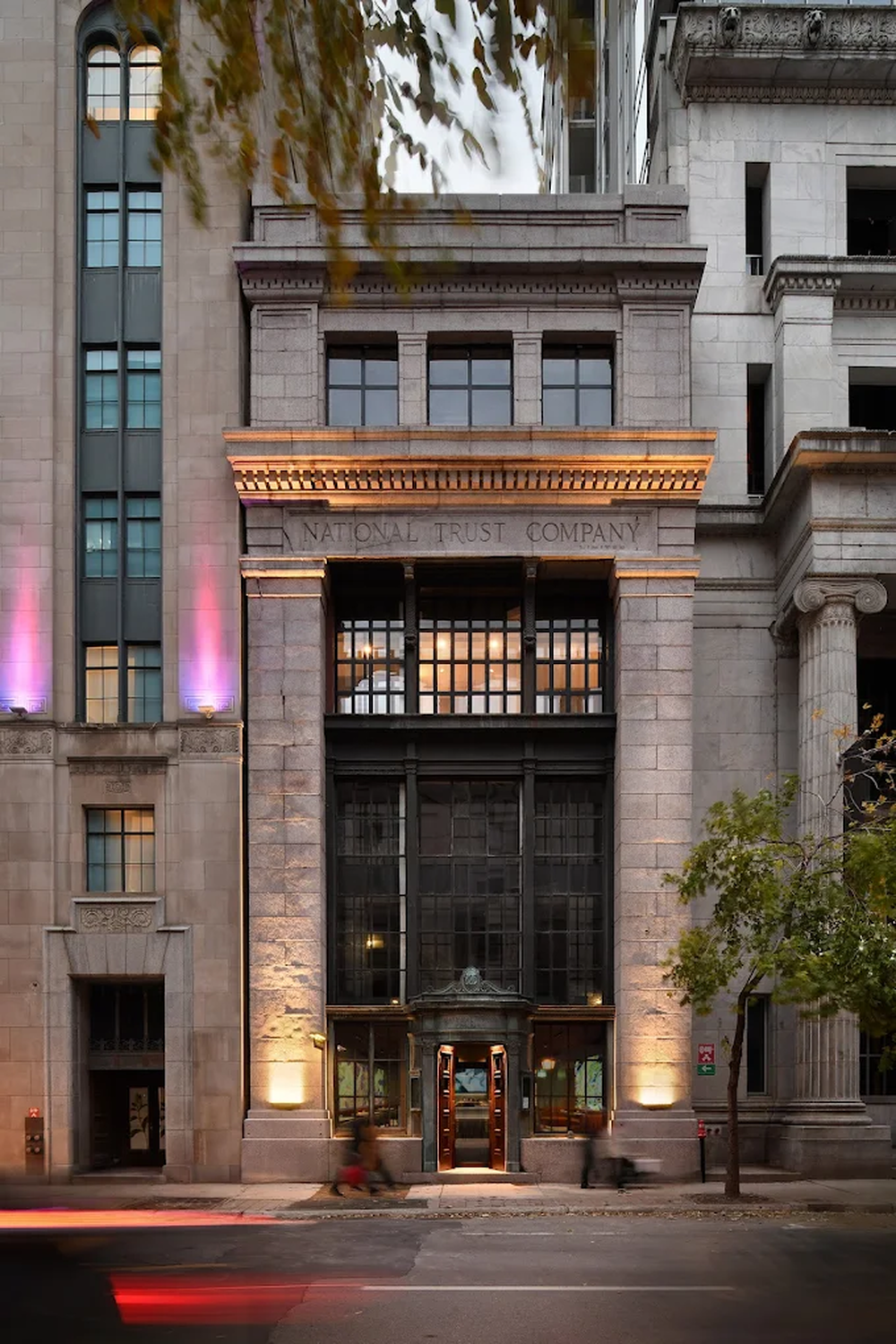
Old Montreal is distinguished by a hospitality sector that integrates art into its very DNA. Among the standouts, Sonolux, recently opened on Saint-Jacques Street, offers an artistic journey woven into the hotel experience itself. Hôtel Saint-Paul, which pioneered the boutique hotel concept in Canada when it opened in 2001, paved the way for the distinctive positioning the old quarter now enjoys. In the same spirit of refinement, Hôtel Place d’Armes has garnered numerous awards, while Le Petit Hôtel earned a Michelin Key with the first Canadian edition of the illustrious guide – a recognition that further solidifies the neighbourhood’s international appeal.
A seat at the table of greats
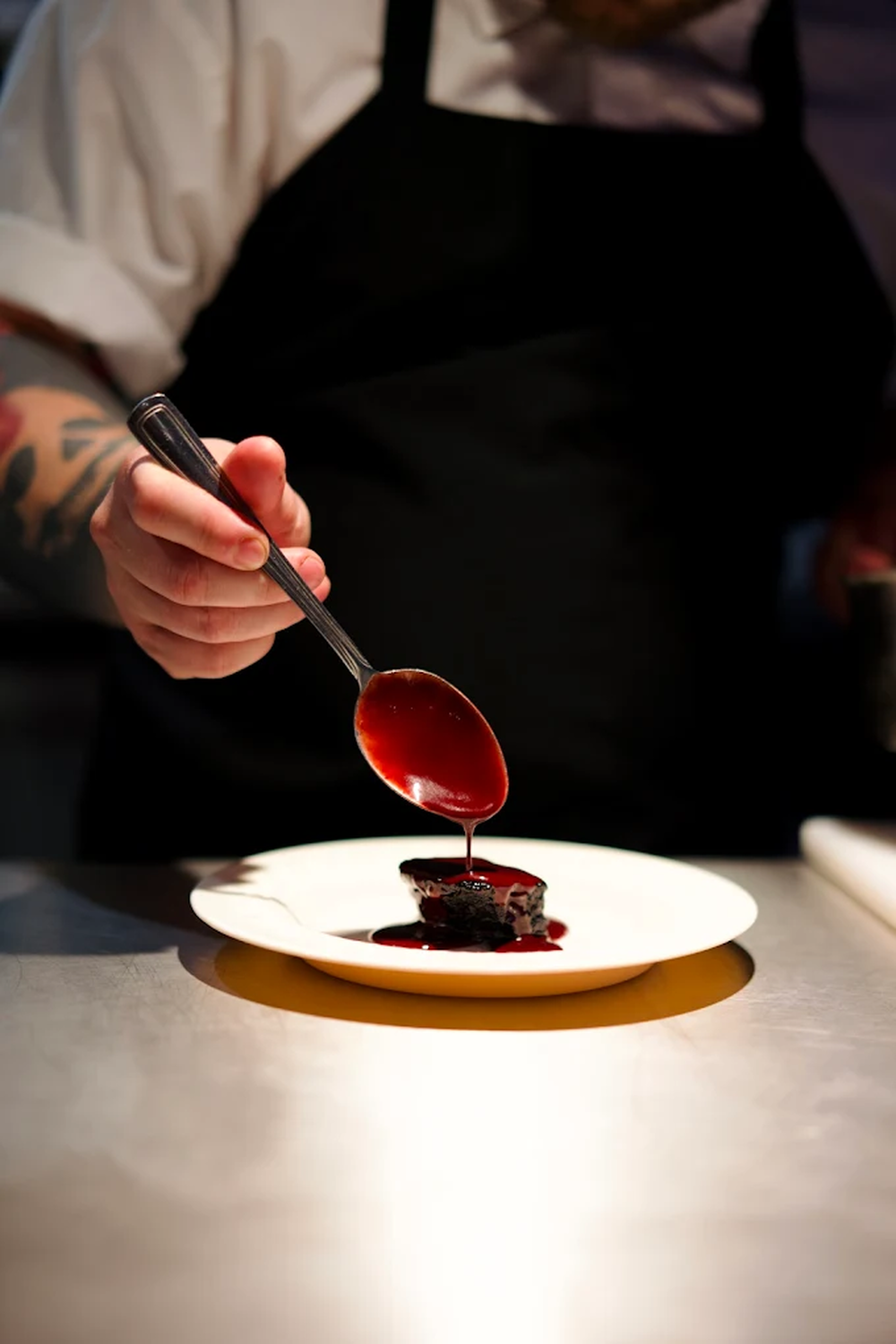
The Michelin Guide’s seal of approval is an unequivocal endorsement of Old Montreal’s position as a destination for culinary excellence. In addition, this international authority has recommended seven restaurants in the district, highlighting the remarkable concentration of exceptional establishments within a compact area: Dorsia, Garde Manger, Le Club Chasse et Pêche, Le Serpent, Mémo, Monarque and Place Carmin. This recognition confirms that gastronomy, too, plays a vital role in the creative economy that makes Old Montreal truly unique.
A business district, leisure destination and living neighbourhood all in one, Old Montreal weaves together heritage and innovation in a way that is both dynamic and seamless. The interconnectedness of its cultural institutions, hotel establishments and restaurants makes for both a cohesive and decidedly high-performing environment. This strategic network, beneficial to an entire ecosystem, contributes to sustainable economic development based on creativity, excellence, and a firmly established international presence.
Photo credits: SonoLux - Mémo - F-O Paquin - Sara Megan