Search
Menu
Visitor Info

Stay updated on the latest neighbourhood news
This site uses cookies. To find out more, see the Cookie Policy.
Consent management
We use cookies to enhance and customize your browsing experience on this website.
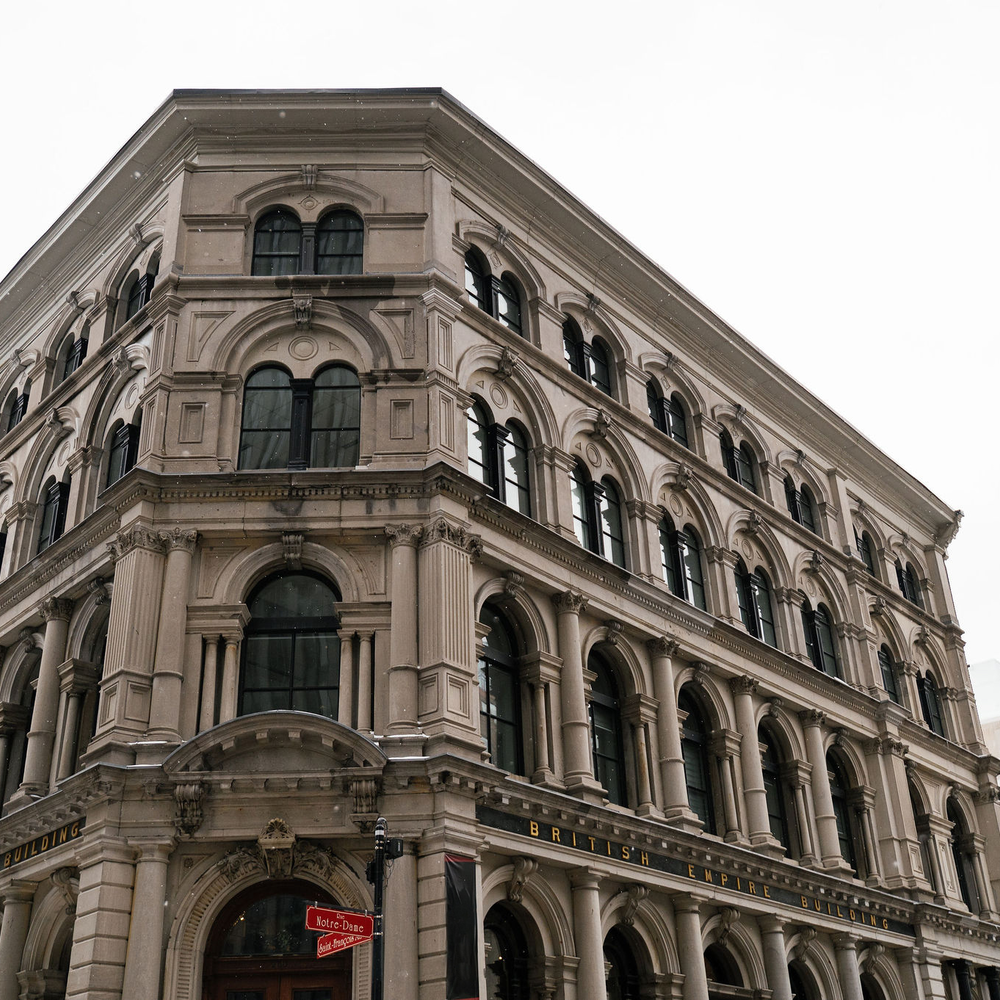
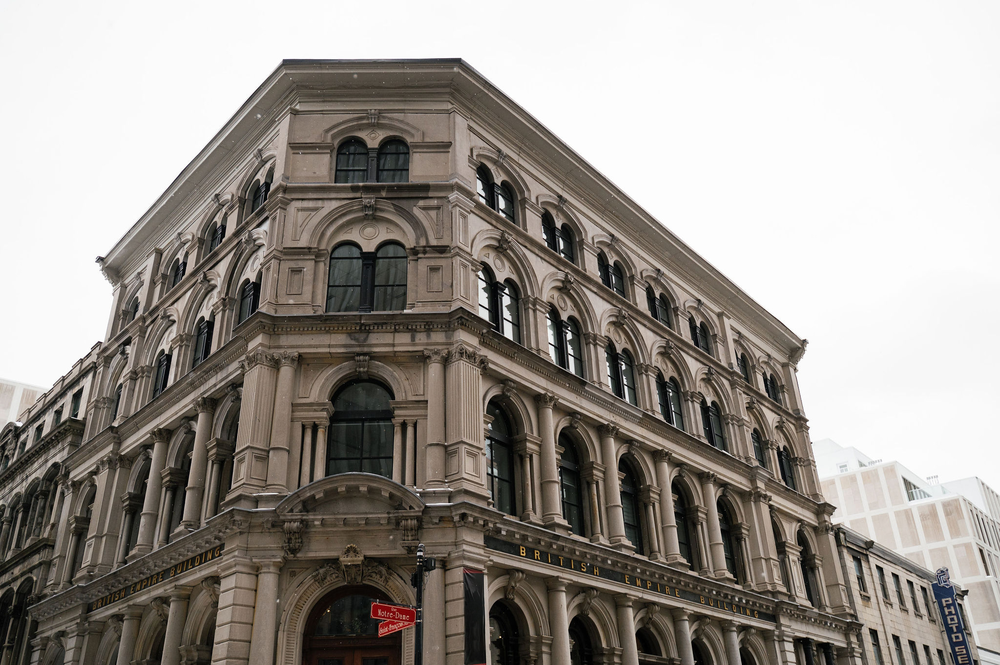
Old Montreal Cohabitation & Safety Program
Background
Following a survey of its members conducted in late summer 2025 — designed to take the pulse of the business community on key structural issues facing the historic district — SDC Vieux-Montréal was able to identify a number of elements that would shape the direction of its major projects for 2026.
Operational priorities quickly took form within the organization's action plan, highlighting in particular the importance of addressing social cohabitation in Old Montreal. In the context of a shifting socioeconomic landscape — felt not only in Montreal but across major Canadian metropolitan areas — the SDC Vieux-Montréal chose to put its creativity and its role as a rallying force to work, developing a brand-new model for the territory. At its core: pooling the strengths of local actors to build a solid network of allies for Old Montreal dedicated to neighbourhood outreach.
With a community of more than 2,400 businesses backed by tens of thousands of workers on a daily basis, a visitor clientele of over 6,5 million people per year, and a residential population in continual growth now approaching 15,000, Old Montreal needed a comprehensive and sweeping strategy capable of responding to the neighbourhood's needs on multiple fronts.
And so, the Old Montreal Cohabitation & Safety Program was born.
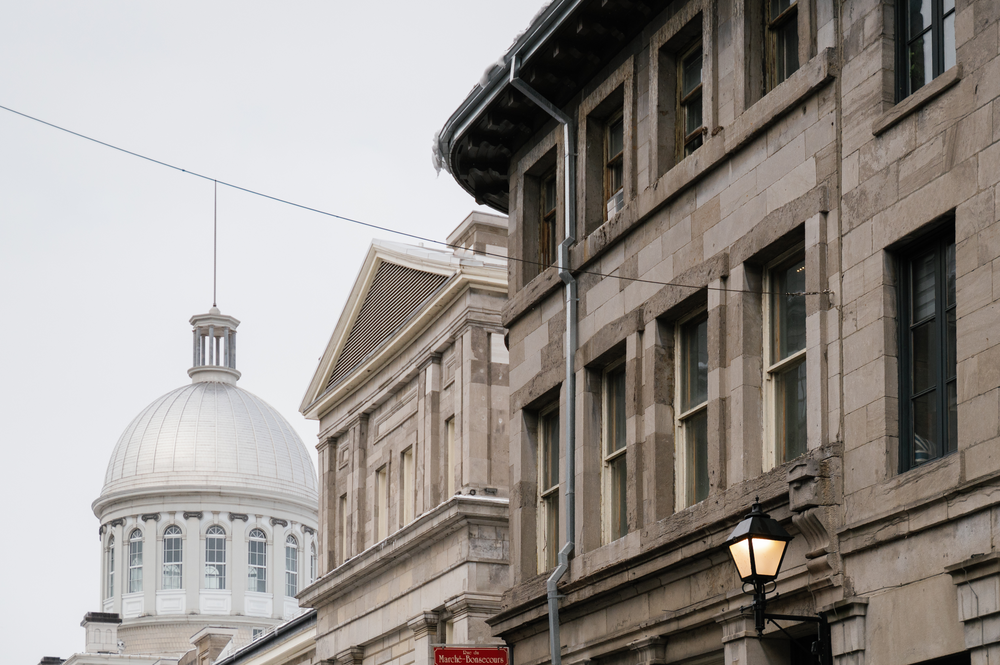
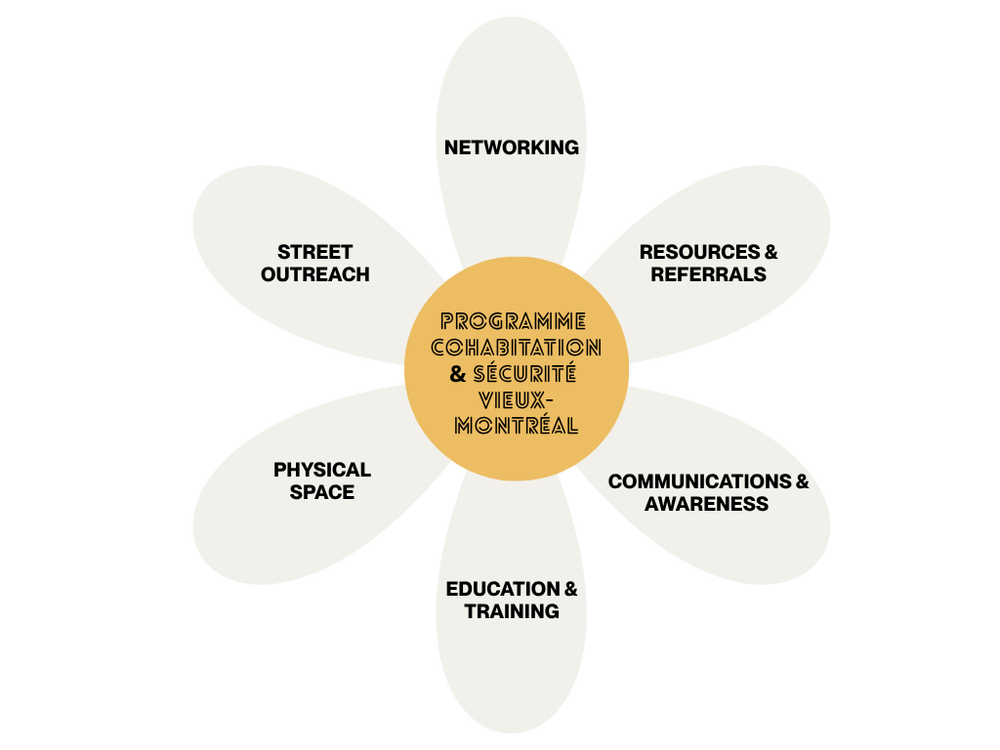
Centred on support for people experiencing hardship within the territory, this program brings together a range of intervention streams — all overseen by SDC Vieux-Montréal — united by a common goal: reducing the challenges associated with homelessness in the historic district, while fostering a sense of safety and harmonious social cohabitation.
A Strong Network of Community Allies for Old Montreal
Drawing first on the expertise of leading community organizations operating in the Ville-Marie borough, the Old Montreal Cohabitation & Safety Program brings together a range of varied and complementary fields of intervention, each responding to the specific needs of the historic district and its local community.
This is how the SDC Vieux-Montréal presented the project to its various collaborators and partners in early 2026: a pooling of community strengths to address a situation on multiple fronts, tailored to the realities of Old Montreal.
Every one of them answered the call.

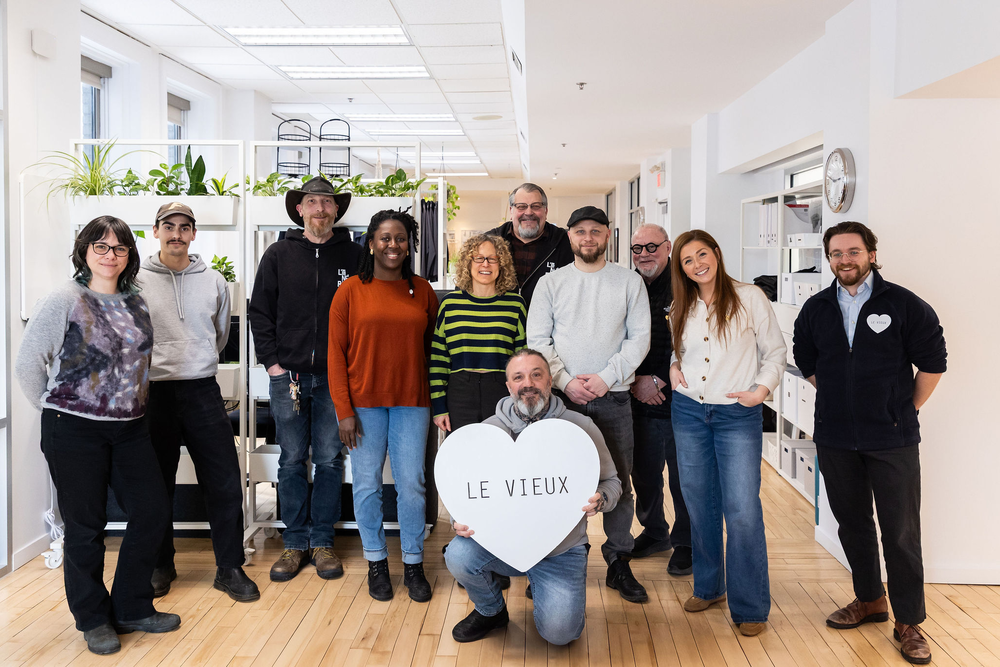
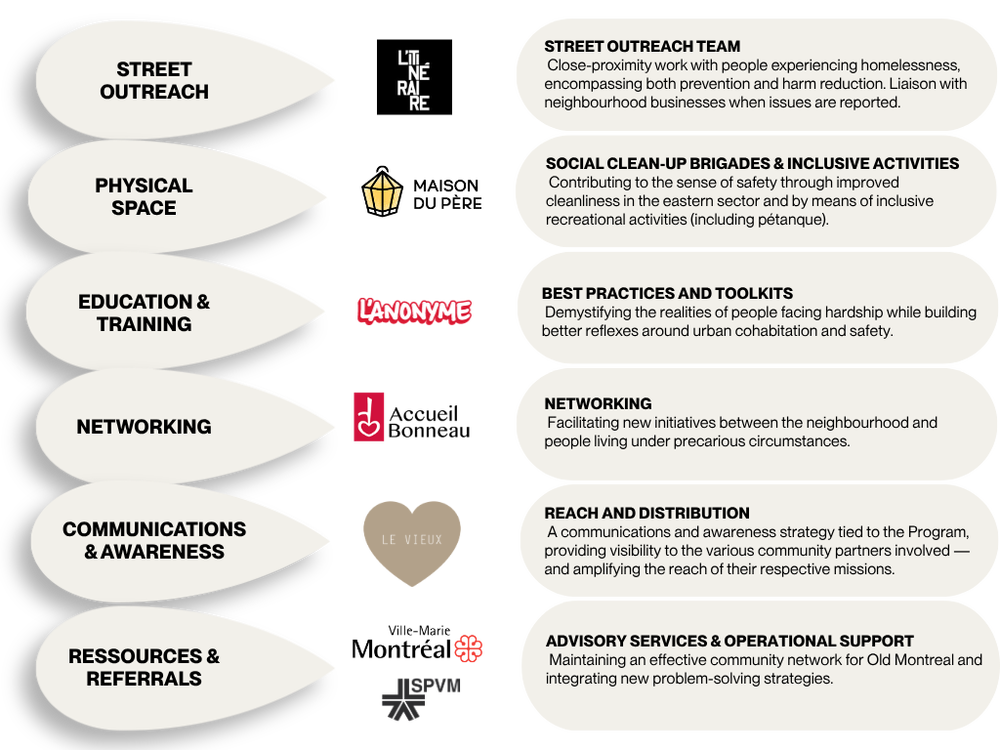
Among the community organizations contributing to the Old Montreal Cohabitation & Safety Program’s initiatives in 2026: L'Anonyme, L'Itinéraire, La Maison du Père, and L'Accueil Bonneau. SDC Vieux-Montréal also wishes to acknowledge the collaboration of the Ville-Marie borough in the launch of this important project, as well as the support of the SPVM through PDQ 21 (not pictured). Finally, a word of thanks to the City of Montreal, without whose financial support the Program would not be possible.
The Old Montreal Cohabitation & Safety Program: Areas of Intervention
Territory
Priority zone (non-restrictive)
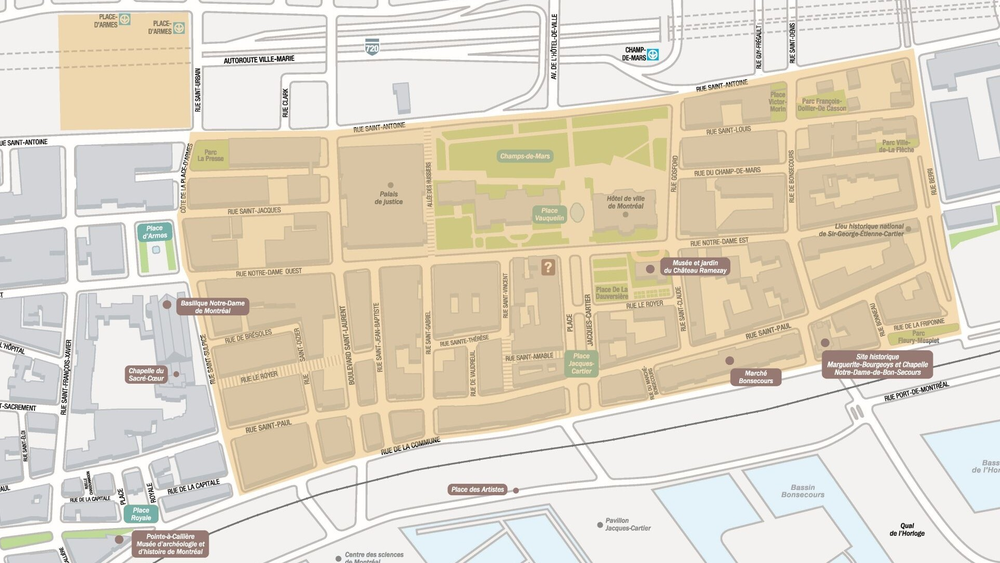
Among the strategic areas receiving particular attention for on-the-ground initiatives (i.e., street outreach and monitoring by the social clean-up brigades):
- Fleury-Mesplet Park
- Saint-Paul Street East
- La Presse Park and the Place-d'Armes metro exit
- Dalhousie Square
- Espace Faubourg Québec
- Cour Le Royer
- The stretch of Notre-Dame Street West between Place-d'Armes and Saint-Laurent Boulevard
*The street outreach team and the social clean-up brigades are mobile and are therefore able to respond to all incidents reported throughout Old Montreal, even those outside the priority zone.
2026 Field Intervention Details
STREET OUTREACH
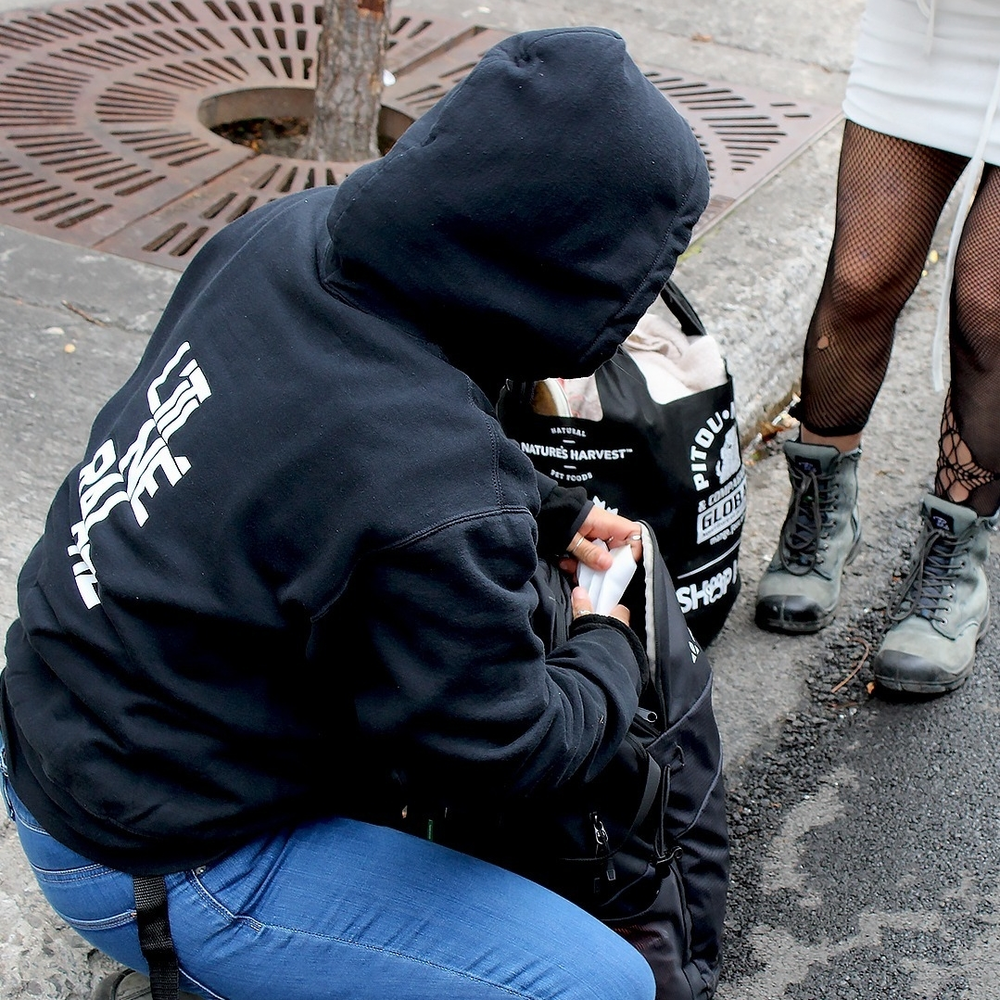
From April through December inclusive, a team of 2 outreach workers, supervised by L'Itinéraire, will be active across the Old Montreal territory. These workers provide close-proximity support to people experiencing homelessness, carrying out both prevention work and harm reduction. Their presence in the territory is designed to foster social inclusion, integration and the empowerment of individuals who feel disconnected or are struggling to cope, while also providing guidance toward appropriate resources in crisis situations.
These outreach workers are also available to visit neighbourhood establishments when a cohabitation issue arises. By maintaining a meaningful and consistent presence throughout Old Montreal, the team serves as a bridge between individuals and community and institutional resources, as well as local businesses.
SCHEDULE
The street outreach team is available 5 days a week, Tuesday through Saturday, from 7:30 a.m. to 3:30 p.m. (subject to adjustment based on need and season), for a total duration of 35 weeks, from April through December.
REPORTING AN ISSUE
To flag a cohabitation issue, please contact SDC Vieux-Montréal, who will then forward your report to the street outreach team:
Anastase Pepin — Logistics Coordinator | SDC Vieux-Montréal
(514) 402-8885 | [email protected]
PHYSICAL SPACE: SOCIAL CLEAN-UP BRIGADES
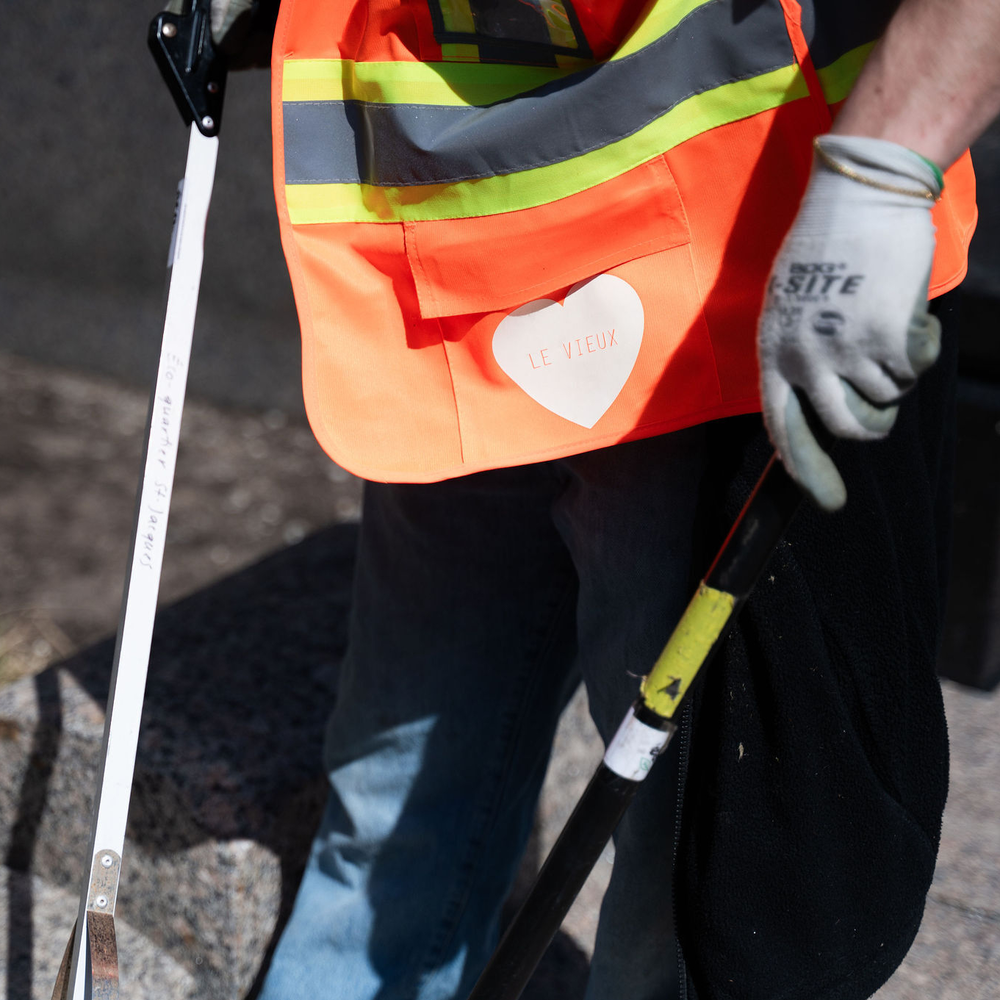
To contribute to a sense of safety while improving the cleanliness of the neighbourhood, social clean-up brigades drawn from a social reintegration program will be launched under the supervision of La Maison du Père.
This social initiative will be deployed across the Old Montreal Cohabitation & Safety Program's territory, focusing primarily on sites that may be occupied by people experiencing homelessness. The social clean-up brigades complement the regular cleanliness efforts already put in place by the SDC Vieux-Montréal this year, and enhance the overall scope of interventions across the territory.
SCHEDULE
The social clean-up brigades are active 7 days a week, with a schedule adapted to the needs of the community and the season. Their mandate runs from April through to the onset of colder weather.
REPORTING AN ISSUE
To report a cleanliness issue, please contact SDC Vieux-Montréal for rapid response on the ground:
Anastase Pepin — Logistics Coordinator | SDC Vieux-Montréal
(514) 402-8885 | [email protected]
2026 Training Details : Urban Safety
EDUCATION AND TRAINING
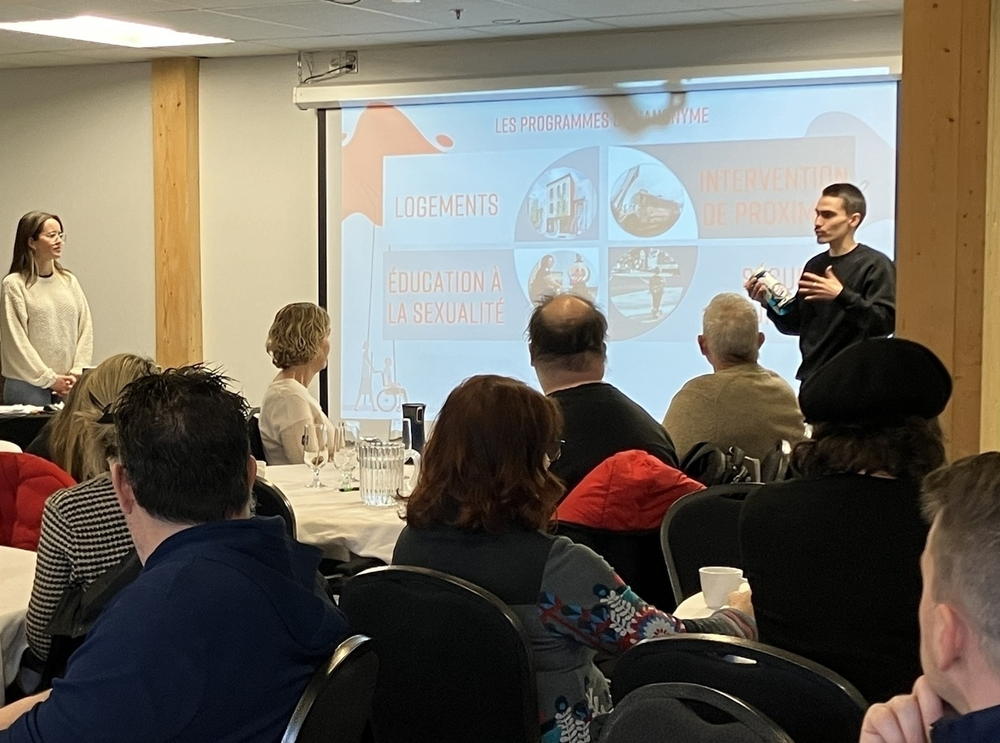
During the spring and summer of 2026, L'Anonyme — as part of the Old Montreal Cohabitation & Safety Program — will offer free training courses tailored to business owners and managers, as well as neighbourhood workers, covering practical knowledge regarding urban safety and social cohabitation. Adapting each to real-world scenarios, L'Anonyme will run full, in-depth sessions in May (2 to 3 hours each), with condensed versions also available directly on-site at participating businesses (40-minute format).
The main objectives of these training sessions are to increase participants' sense of safety in the workplace and during their day to day — notably by demystifying the reality of people living without stable housing — and to equip neighbourhood workers and business owners with tools to implement measures that foster social cohabitation and the inclusive sharing of public space.
TRAINING SCHEDULE FOR BUSINESS OWNERS / MANAGERS
Date: Thursday, May 7
Duration: 3 hours / 9 a.m. to 12 p.m.
Format: In person
Location: Hyatt Centric Montreal, 621 Notre-Dame Street East
Confirm your attendance by email
REQUEST FOR AN ON-SITE CONDENSED SESSION FOR YOUR TEAM
To register or request a condensed training session at your business for your entire team, please contact us:
Anastase Pepin — Logistics Coordinator | SDC Vieux-Montréal
(514) 402-8885 | [email protected]
TRAINING SCHEDULE FOR WORKERS
Option 1
Date: Wednesday, May 20
Duration: 2 hours / 2 p.m. to 4 p.m.
Format: In person
Location: Marché Bonsecours, 350 Saint-Paul Street East
Confirm your attendance by email
Option 2
Date: Wednesday, May 27
Duration: 2 hours / 9 a.m. to 11 a.m.
Format: In person
Location: Marché Bonsecours, 350 Saint-Paul Street East
Complementary initiatives in the district — currently under study
IMPROVING THE VITALITY AND APPEAL OF THE EASTERN SECTOR
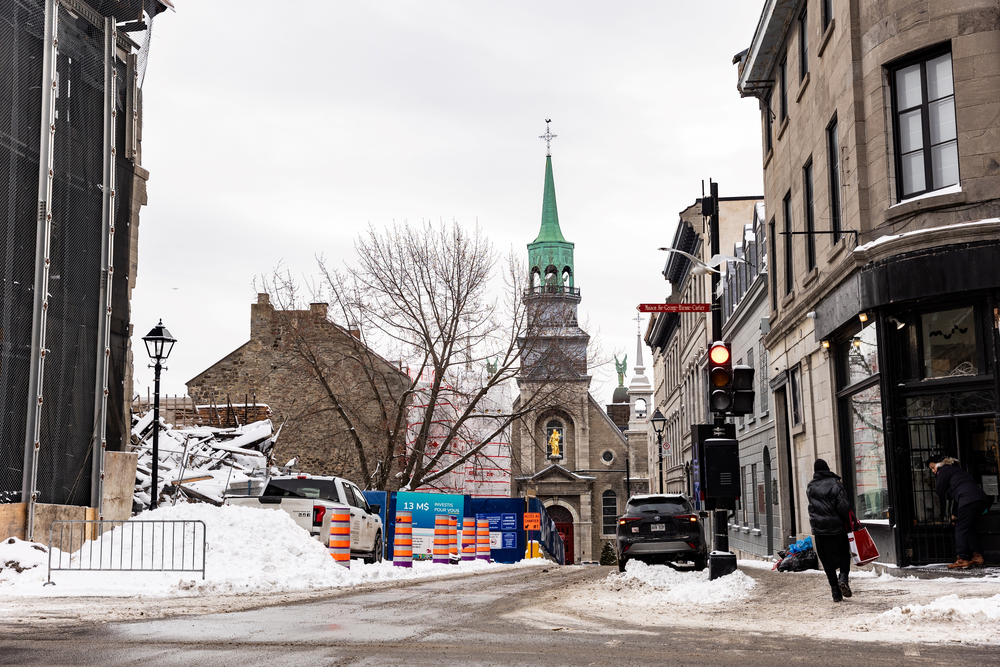
Parallel to the rollout of its on-the-ground Old Montreal Cohabitation & Safety Program initiatives, the SDC is currently exploring, along with various community stakeholders, opportunities to enhance certain aspects that influence the vitality and appeal of the eastern sector.
Streets under consideration: Bonsecours, Saint-Paul East, Notre-Dame East (and surrounding areas).
Initiatives being explored:
- Enhancing lighting assets near L'Accueil Bonneau and the PHI Contemporain construction site
- Increasing street floral displays (summer season) and improving urban furniture
- Contributing to the hoarding strategy for the PHI Contemporain construction site
- Improving signage and business visibility in the sector through freestanding displays
- Launching digital promotional initiatives with a focus on the Bonsecours sector and surrounding streets
Partners and Collaborators
The SDC Vieux-Montréal would like to sincerely thank the City of Montreal for its contribution to the Old Montreal Cohabitation & Safety Program.

The SDC also wishes to acknowledge the significant support of valued community allies — SDC members, collaborators and partners — who helped paint a current picture of the cohabitation and safety landscape in Old Montreal, and who facilitated the implementation and rollout of initiatives under this program.
Community Partners

Advisory Collaborators

Operationnal Collaborators

Image credits: L'Anonyme, L'Itinéraire, SDC Vieux-Montréal